
How it works
How Love Green strengthens your plants.
Optimised photosynthesis, silicon as a natural shield and lower water requirements – scientifically grounded and proven in practice.
How it works
Optimised photosynthesis and photorespiration
Photosynthesis is the key process by which plants convert sunlight into energy. Love Green specifically targets this process and significantly increases the efficiency of photosynthesis. But why does that matter?
Optimised photosynthesis means plants can gain more energy from the same amount of sunlight. At the same time, Love Green also optimises photorespiration – an often overlooked aspect of plant respiration. This dual action reduces phototoxicity in the plants. In other words, plants suffer less damage from excessive light or harmful radiation and can focus all their energy on healthy growth.
Some of the active components of Love Green:
- Silicon
- Calcium
- Magnesium
- Iron
- Zinc
- Copper
- Manganese
- Molybdenum
- Cobalt
- Carbon
Water efficiency
Another impressive benefit of Love Green is that it reduces plants' water requirements. Thanks to optimised photosynthesis, plants transpire less water. This is invaluable in dry or water-scarce regions and gives farmers the opportunity to save precious resources.
Strength from the ground up
The addition of specific minerals and trace elements promotes plant health from root to tip. This leaves plants better equipped against environmental pressures such as drought, water and climate stress, and gives them greater resistance to diseases and pests.
The result
With Love Green, your plants are better prepared for the challenges of modern cultivation: healthier plants, higher yields and sustainable, resource-efficient working. This shows in savings on water and crop protection products – and in a fast return on investment.
The vicious circle
The vicious circle of chemical application and pest attraction
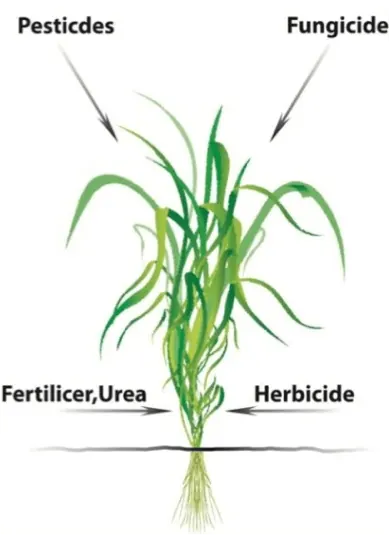
Chemical applications put plants under stress.
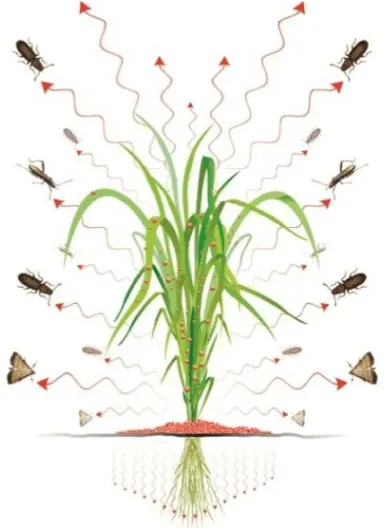
Weakened plants send out biochemical signals that attract pests.
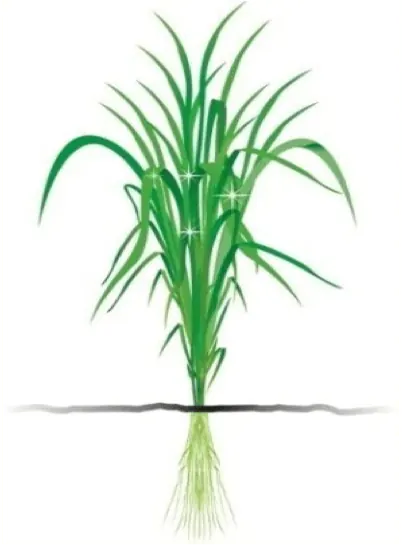
Healthy plants send out no signals, are more resilient and do not attract pests.
Further reading

ScienceAlert
Plants really do 'scream' out loud. We just never heard it until now
Open source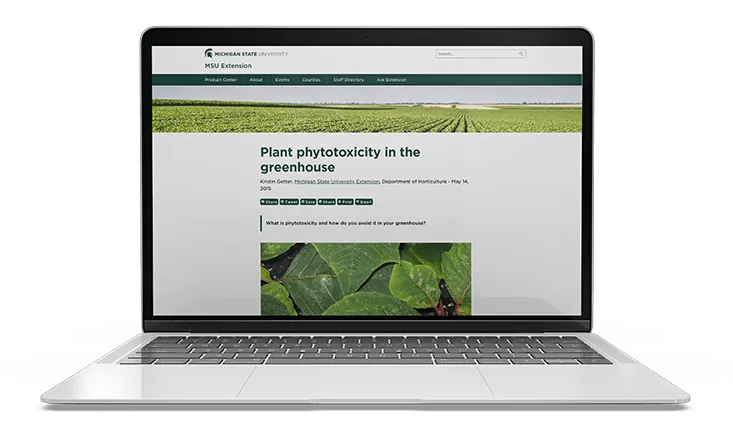
Michigan State University
Plant phytotoxicity in the greenhouse
Open source
MIT News
How plants protect themselves from sun damage
Open source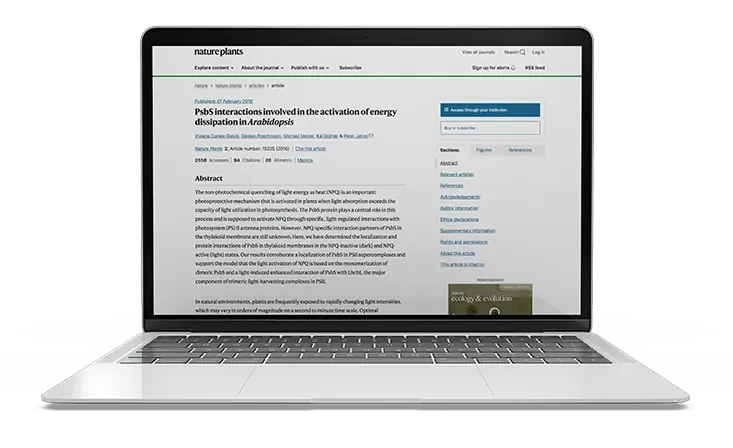
Nature Plants
PsbS interactions involved in the activation of energy dissipation in Arabidopsis
Open sourceSi
Silicon in Love Green
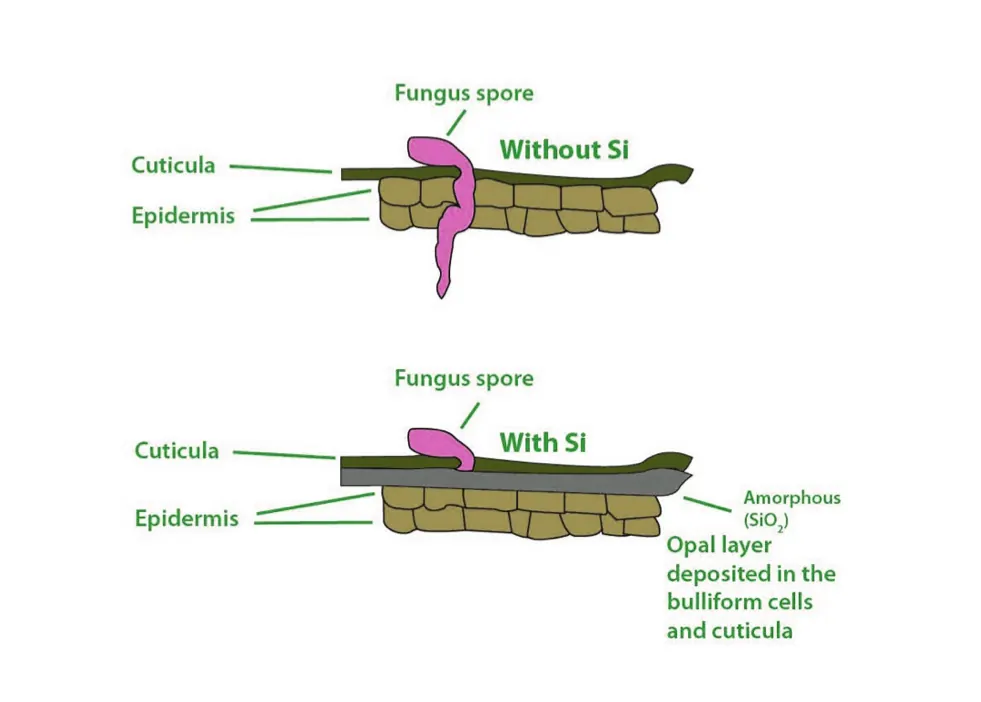
One of Love Green's already globally recognised components is silicon – an element that is abundant in nature and whose benefits in agriculture are attracting increasing attention. When plants are supplied with silicon, it is deposited in the cell walls, forming a robust protective layer. This natural shield acts preventively against various external stressors, particularly fungi and pests.
The positive effects of silicon on plants are recognised by the scientific community and have been confirmed by leading experts – including Prof. Lawrence Datnoff of Louisiana State University and Prof. Neil Mattson of Cornell University. Their research has played a decisive role in recognising and harnessing the potential of silicon in agriculture.
With Love Green, you benefit from this knowledge and supply your plants with a product that is based on solid scientific findings and proven in practice.
Natural protection
Opal layer on the epidermis

The first product that boosts photosynthesis and supplies silicon (Si).
After applying Love Green, plants have a well-balanced pH. The increased nutrient uptake results in healthy plants that do not attract pests and diseases.
Love Green frees plants from every kind of biotic and abiotic stress!
Videos
Experts on silicon in plants
Interesting videos (YouTube/Vimeo) on how silicon works.
Dr. Lawrence Datnoff
Silicon and Biotic Stress
Dr. Wendy Zellner
Silicon – The Next Existential Element
Prof. Sue Hartley
Silicon in Plants (Crop Protection and Climate Change Mitigation)
Dr. Lawrence Datnoff
Benefits of Silicon in Plants
Neil Mattson, Ph.D.
Silicon Fertilizer Enhances Stress Tolerance
In practice
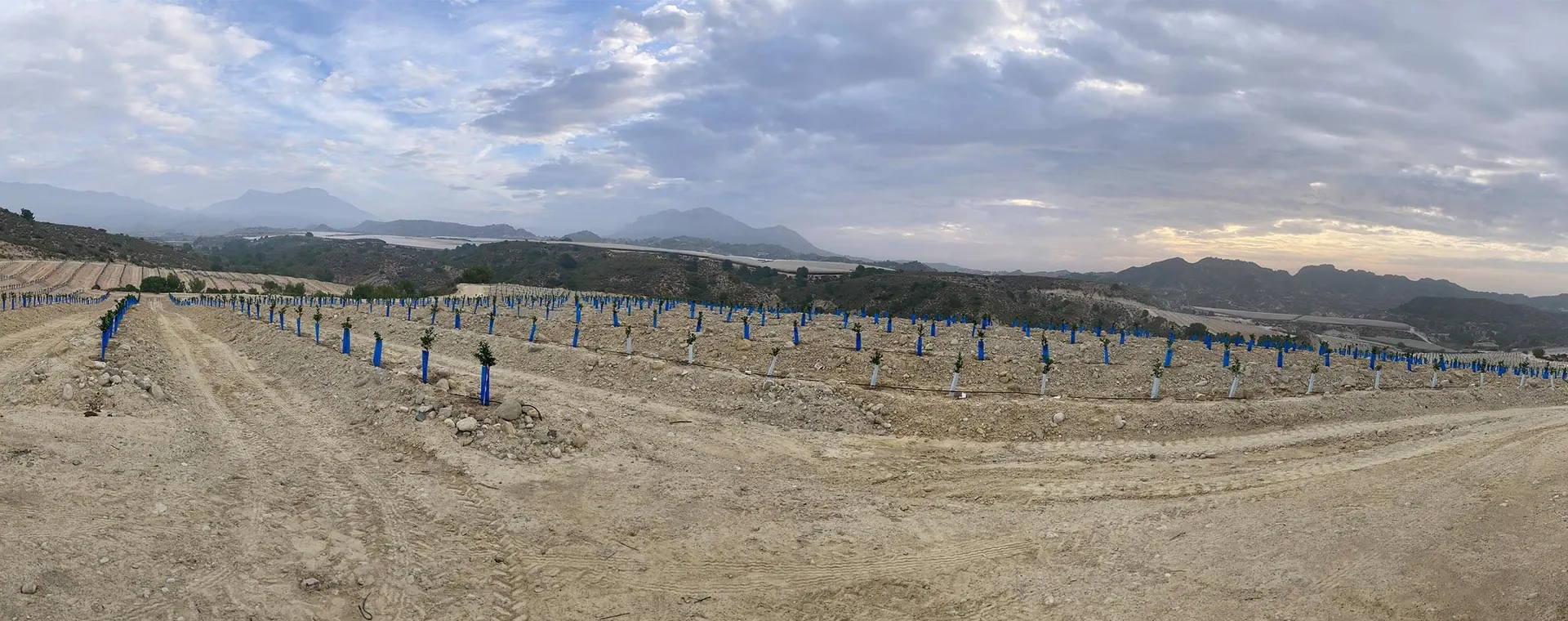
Oranges in October 2022 – Spain
Trees treated with Love Green grew faster, were 'greener' and had much larger leaves, visibly increasing photosynthesis!
Knowledge
Further links to useful information
A selection of external articles and videos from various independent institutes. They offer valuable insights into how our Love Green fertiliser works and into the latest research findings.
Foliar feeding


Stomata


Carbon

Institute for Atmospheric Physics (DLR)
Increasing impact of carbon dioxide on plant photosynthesis calculated
Open source
German Aerospace Center (DLR)
Study calculates the impact of increasing carbon dioxide on plant photosynthesis
Open source
Wikipedia
Kohlenstoffdioxid-Düngung
Open source
Nature
Sensitivity of tropical carbon to climate change constrained by carbon dioxide variability
Open source
Int. Institute for Applied Systems Analysis
Climate Change and Agricultural Vulnerability
Open source
Oxford University
Elevated CO2 effects on plant carbon, nitrogen, and water relations: six important lessons from FACE
Open source
National Academy of Sciences (PNAS)
Forest response to elevated CO2 is conserved across a broad range of productivity
Open source
Pflanzenforschung.de
Dunkelreaktion (Photosynthese)
Open source
Chemeurope
Photosynthesis
Open sourceReady for healthier plants and higher yields?
Request your no-obligation quote now – we will advise you personally.
Interested?
Your tailored quote for Love Green.
Tell us briefly about your crop and area. We will get back to you quickly and simply with a recommendation and a quote.
- Personal advice on crop & dosage
- References and independent studies
- Worldwide delivery, straight to your field
- Free & no obligation
Prefer to talk directly?